Features
How Stephanie and Isabel Offor Both Graduated With First-Class Honours From UK Universities

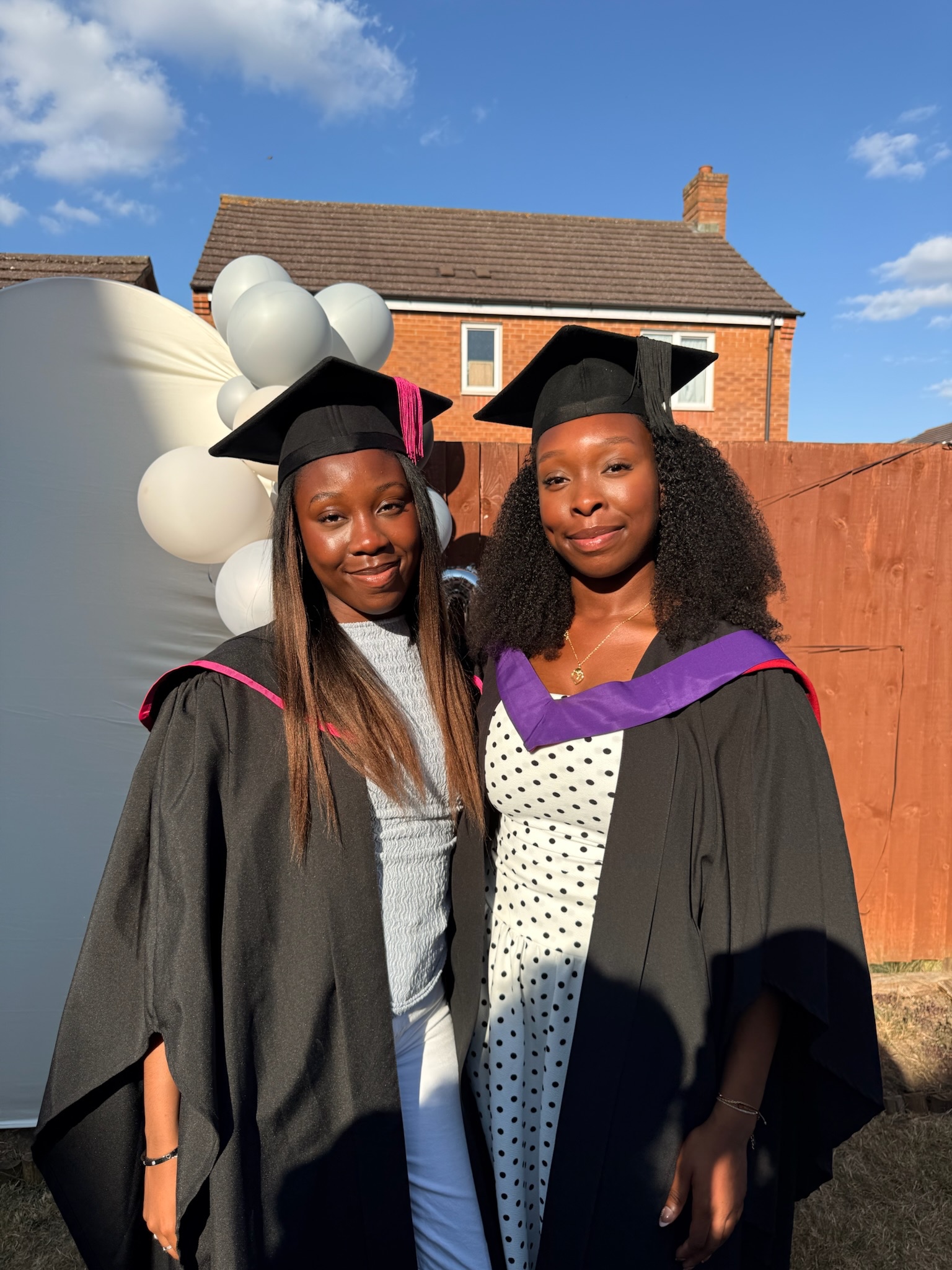
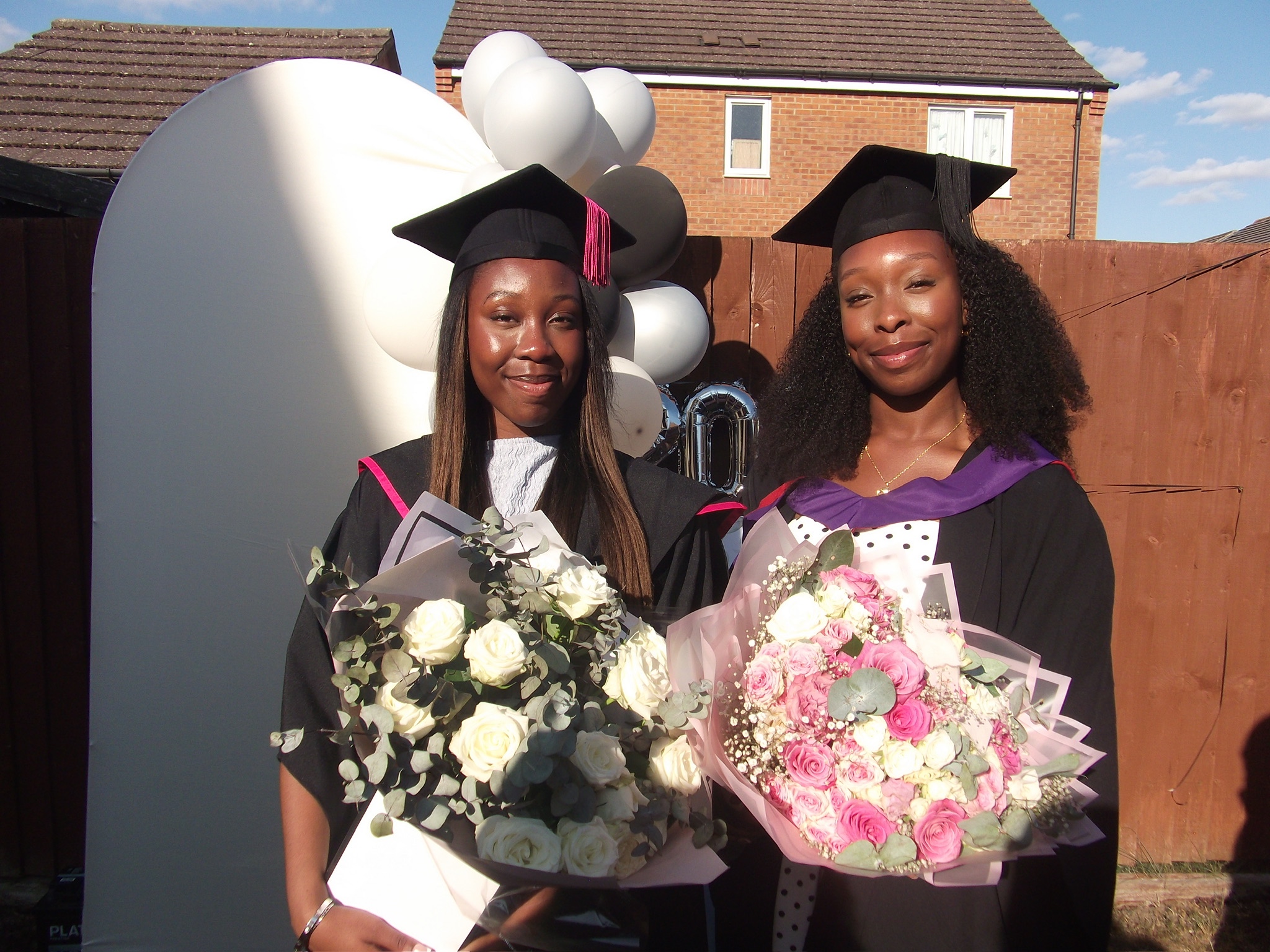
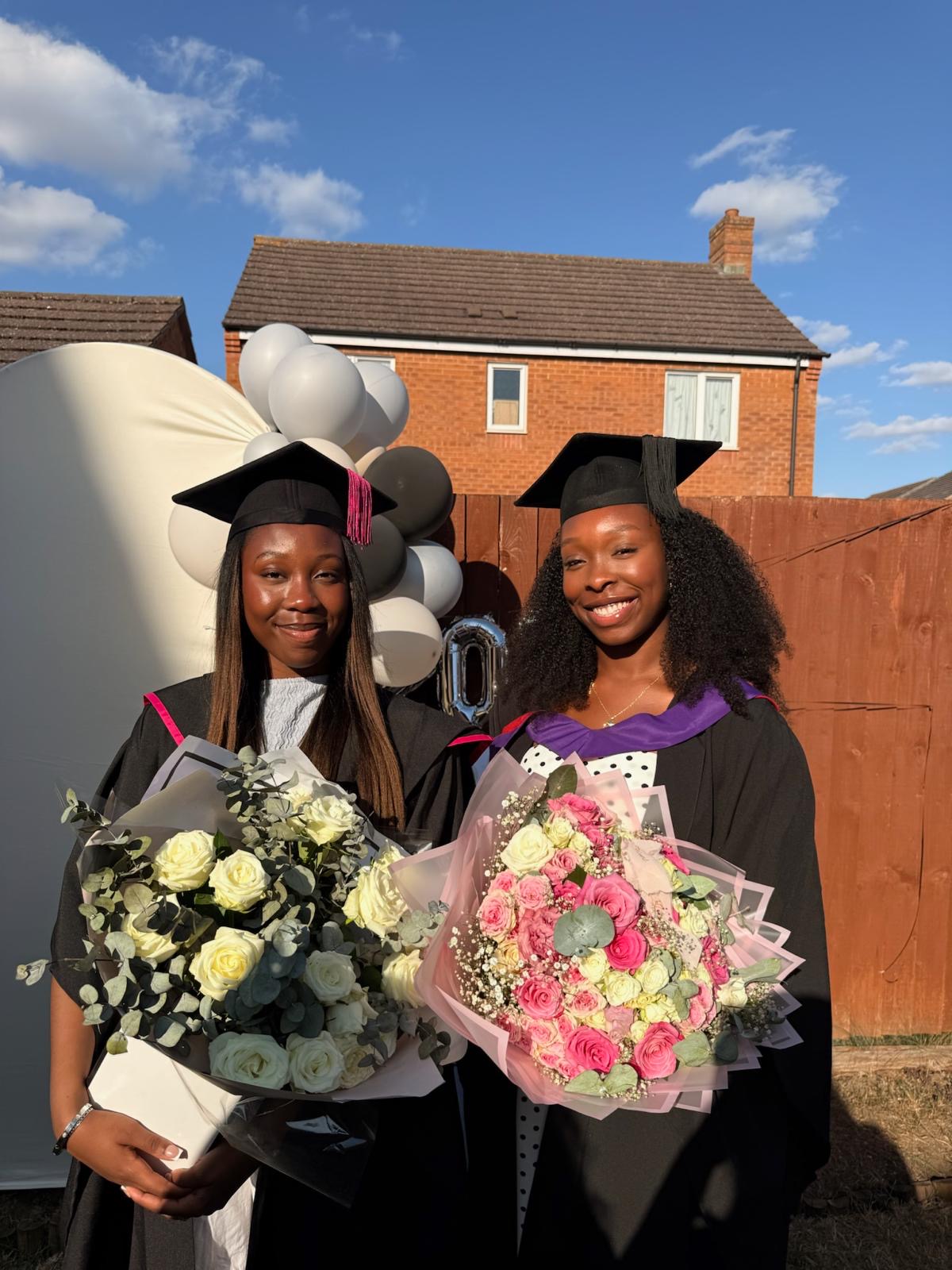
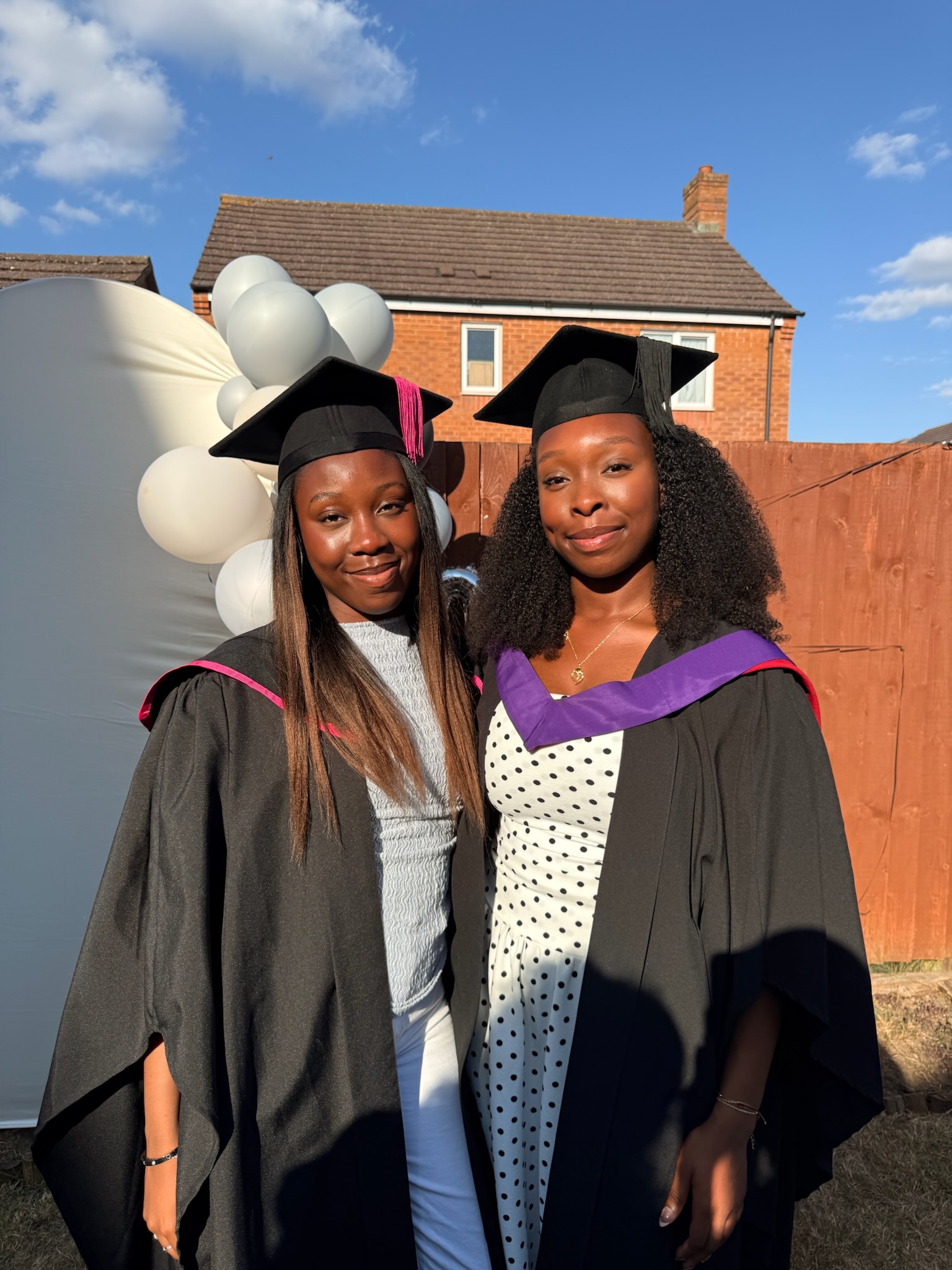
Stephanie and Isabel Offor both graduated as some of the best graduating students from universities in the United Kingdom. Like anywhere else in the world, graduating from any university requires dedication, let alone graduating with a first-class degree. The Offor sisters have both done that at different universities, studying different courses.
We had a chat with the sisters about their academic journeys, what it took to achieve first-class honours in Mechanical Engineering and Law with Business, the challenges they encountered along the way, and how their experiences have shaped their ambitions for the future. While Stephanie’s journey was shaped by her curiosity about how things work, her placement year, and her growing confidence in engineering, Isabel’s experience taught her the importance of discipline, consistency and refusing to let difficult moments define what she was capable of. Together, this chat offers a glimpse into the work, sacrifices and mindset behind their remarkable achievement.
Hello Stephanie and Isabel. Congratulations on your remarkable feats. Please tell us what you studied and from which school
Stephanie: Hello, and thank you. I graduated with a first-class degree in Mechanical Engineering from the University of Leicester.
Isabel: Thank you. I studied Law with Business at Nottingham Trent University and graduated with a First-Class degree, finishing as one of only 11 standout students in my cohort to secure a first-class degree.
Well done to both of you! How would you describe your academic journey and what motivated you to study your courses?
Stephanie: My interest in Mechanical Engineering came from always being curious about how things work and how ideas can become practical solutions. I enjoyed mathematics, physics and Design and Technology at school, but I wanted to study something that would allow me to apply those subjects to real-world problems. Mechanical Engineering stood out because of how broad it is and the number of different industries and career paths it can lead to.
Starting university was exciting, but it was also a big adjustment. The course challenged me academically and pushed me to develop skills beyond just technical knowledge. There were definitely moments when I found certain modules difficult or had to put in extra time to fully understand a topic, but those experiences taught me resilience and the importance of being willing to ask questions and keep learning.
As I progressed through the degree, I became much more confident in my abilities. I particularly enjoyed opportunities where I could apply what I had learnt to practical engineering problems, such as working with teams to achieve an end goal, because that helped me see the connection between the theory we were learning and how engineering works in industry. Looking back, university helped me grow not only as an engineer but also as a person.
Isabel: My academic journey has been a challenging but incredibly rewarding one. I chose to study Law with Business because I’ve always been interested in understanding not only the legal rules that shape society and organisations, but also how businesses operate, make decisions and respond to challenges. I wanted a degree that would give me both a strong understanding of law and a wider commercial perspective.
There were definitely moments where I questioned whether I was capable of achieving the results I wanted, particularly when the workload became overwhelming. However, those experiences taught me resilience and showed me that academic success is not just about being naturally intelligent; it is about consistency, discipline and being willing to keep going even when things become difficult.
What did it take for you to achieve first-class? What habits do you think contributed most to it?
Stephanie: I think one of the biggest factors was consistency. I didn’t approach university expecting everything to come easily, so I learnt quite early that achieving the results I wanted would require discipline, organisation and being willing to put in the work. I also tried to learn from feedback rather than just focusing on the grade itself, which helped me continuously improve throughout my degree.
My placement year was particularly important in my development because it allowed me to take what I had learnt academically and apply it within a professional engineering environment. It gave me insight into what a career in my degree can look like and whether I can see myself there. Receiving the Goldsmith Prize for the work I completed during my placement was therefore especially meaningful to me. It showed me that the work I was doing had value beyond university and gave me confidence in my ability to contribute within industry. In addition, my time during placement year was amazing, and getting to understand what opportunities I can do with my degree and seeing a place for myself in the industry really opened my eyes and made me more confident about pursuing the rest of my career in engineering.
Isabel: Reaching that level required a lot of discipline, consistency and sacrifice. There were many times when I had to prioritise studying over socialising, stay up late working on assignments, and push myself to keep going when I was mentally exhausted. I had to learn how to manage my time effectively and, importantly, how to take responsibility for my own progress.
I think one of the biggest contributors to my success was refusing to let a difficult result define what I was capable of. If something didn’t go the way I wanted, I learnt from it, adjusted my approach and tried again.
Were there challenges and how did you overcome them?
Stephanie: There were certainly challenging periods, particularly when managing deadlines, difficult modules and the pressure I sometimes put on myself to maintain a high standard. My final year was probably one of the biggest tests of that. However, I learnt that maintaining a high level of performance isn’t about being perfect all the time; it’s about staying consistent, managing your time effectively and continuing to move forward when things don’t go exactly as planned.
Isabel: One of the biggest lessons I learnt was that you cannot always wait until you feel motivated. Sometimes you have to be disciplined enough to do the work even when you don’t feel like it.
How has this achievement shaped the future for you?
Stephanie: I will begin my career as a Manufacturing Engineer at Caterpillar, and that feels like a really exciting full-circle moment. After years of studying, completing my placement and working towards becoming an engineer, I’m now at the point where I can take everything I’ve learnt and begin applying it professionally.
But I want to continue developing both technically and professionally. I’m looking forward to learning from experienced engineers, taking on greater responsibility and contributing to real manufacturing challenges and improvements. I also want to remain open to opportunities that push me outside of my comfort zone, because some of my biggest periods of growth at university came from doing exactly that.
Ultimately, I hope to build a career where I can look back and see that I’ve made a meaningful contribution, continued to challenge myself and helped create opportunities for others along the way.
Isabel: Achieving a First Class degree has definitely changed the way I see myself. It gave me tangible proof that I am capable of setting ambitious goals and actually achieving them.
More than the classification itself, I’m proud of the person I became throughout the process. Looking ahead, I hope this achievement opens doors to opportunities where I can combine my legal knowledge with my understanding of business. I’m particularly interested in building a career where I can continue learning, solving problems and making meaningful contributions within an organisation.